

On 11 October, the gas turbine waste heat power generation project at the Wassa site in Ghana achieved successful one-off grid connection. This project marks our Company’s first foray into West Africa and our maiden cooperation project with Genser Energy Ghana Limited. The successful grid connection represents a milestone victory in project construction. It lays a solid foundation for stable power supply and green low-carbon development locally, and fully demonstrates Sinoma Energy Conservation’s technical expertise and project delivery capacity.
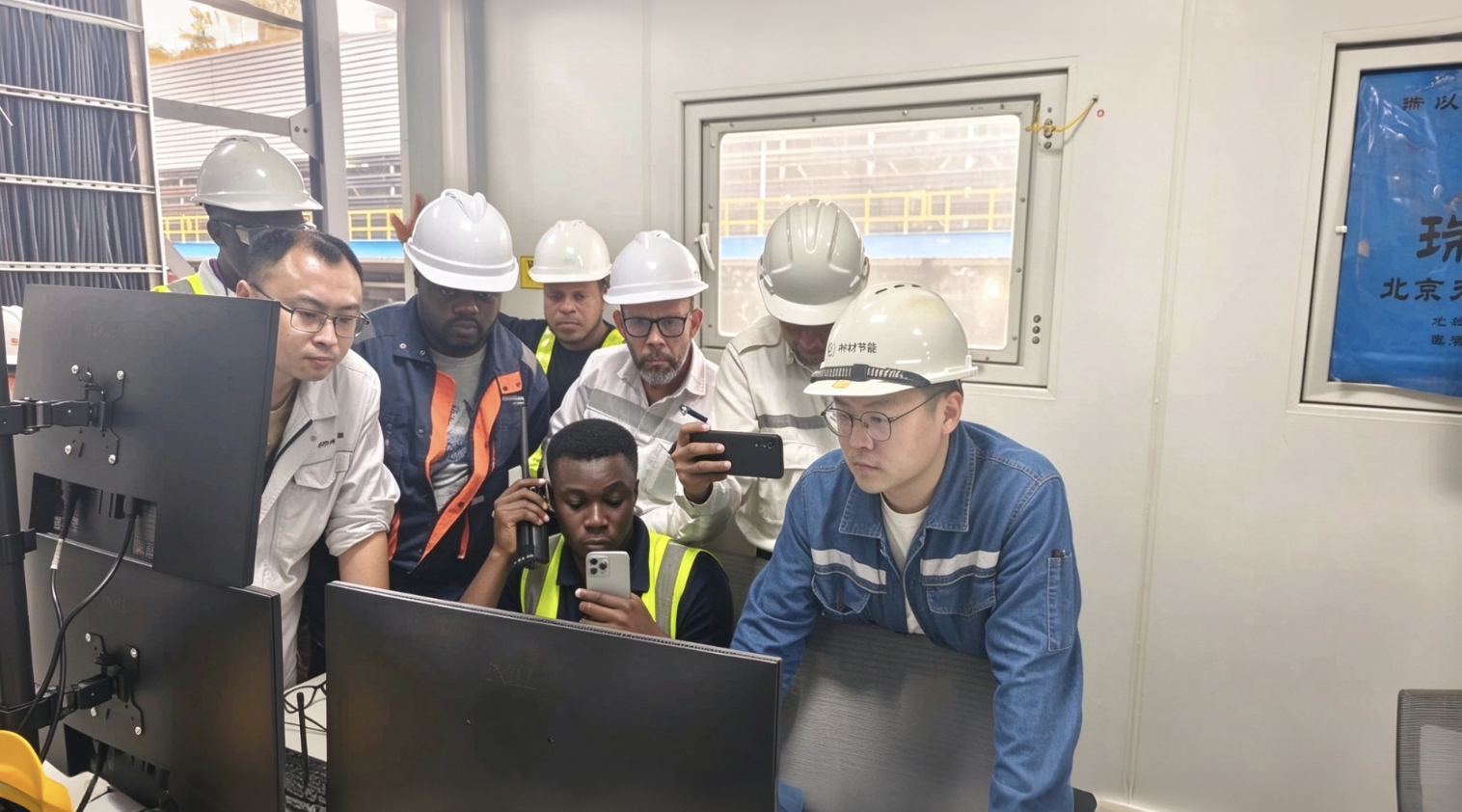
The Ghana gas turbine waste heat power generation project adopts a waste heat recovery system built to match the existing gas turbine generator set. It employs high-efficiency gas-steam combined cycle power generation technology. High-temperature flue gas discharged after power generation by gas turbines is recovered and heat-exchanged in a waste heat boiler to produce steam, which drives a steam turbine generator set for secondary power generation. This innovation completely changes the conventional model where gas turbines consume energy in a single pass and waste heat is directly vented. It realizes cascaded energy utilization and converts waste into valuable power, greatly improving the comprehensive energy efficiency of the whole power station.
Compared with conventional standalone gas turbine power generation, this waste heat power system boasts prominent advantages. The project fully recovers waste heat from gas turbine exhaust without extra fuel consumption or additional flue gas emissions. Without increasing gas source consumption, it effectively raises the total power output of the power station, significantly reduces power consumption per kWh and carbon emissions, and delivers both economic and ecological benefits. Meanwhile, after the new waste heat generator set is connected to the grid, it can effectively supplement regional power supply, optimize the power station’s power supply mix, enhance the stability and peak shaving capacity of the local power grid, and ease power shortages for industrial production and residential use across Ghana.
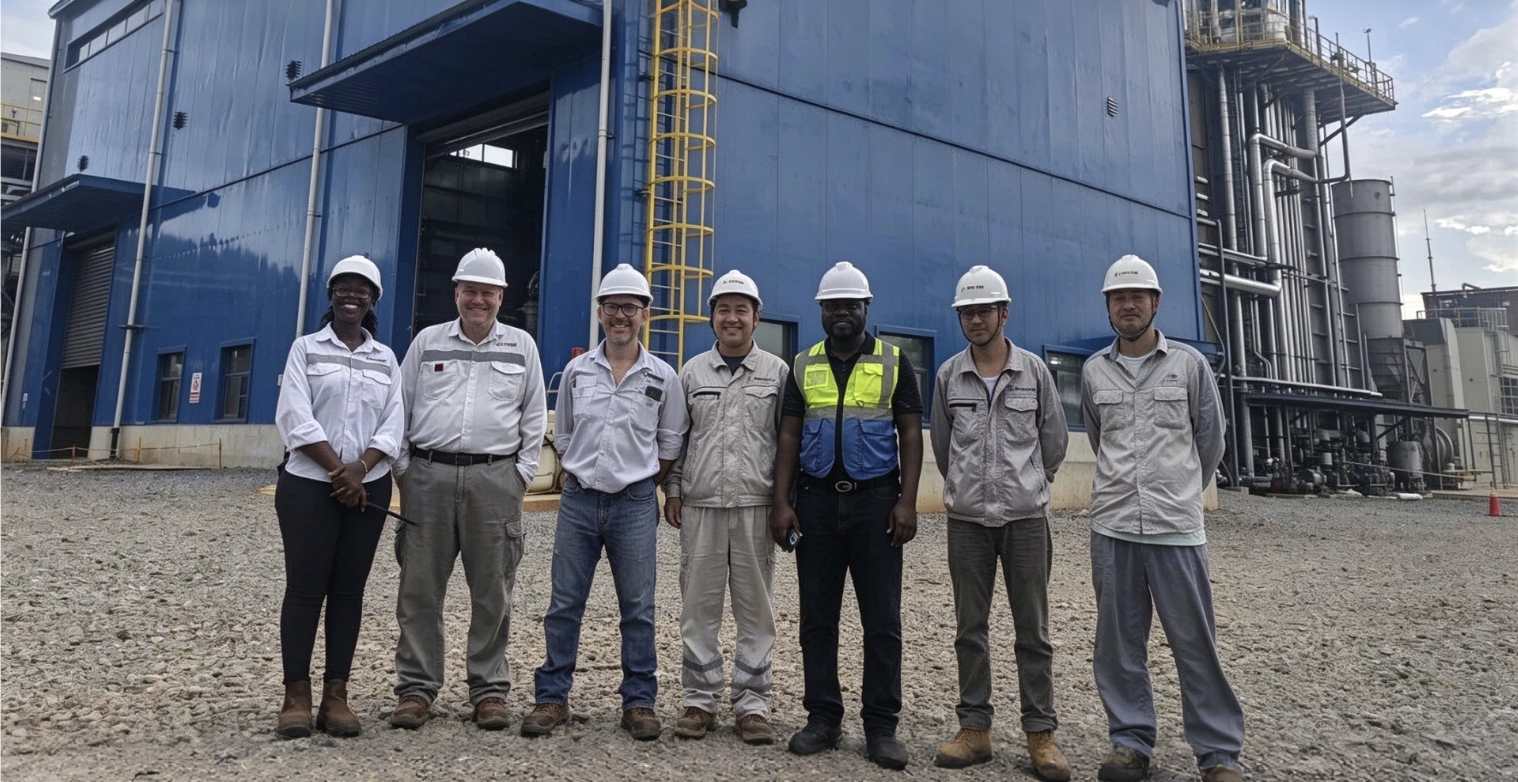
Since the commencement of construction, the project team has overcome numerous challenges including complex overseas construction conditions, long material transportation lead times and difficult cross-border technical coordination. In strict compliance with international power construction standards and local industry codes, the team carried out full-process work in a refined manner, covering equipment installation, pipeline welding, system commissioning, electrical tests and grid connection verification. All construction personnel stayed on post and tackled hardships, completing all construction and commissioning tasks to high standards and quality. The unit was successfully connected to the grid in one attempt with all parameters meeting specifications, fully showcasing Sinoma Energy Conservation’s outstanding engineering capability and performance capacity for overseas projects.
The successful grid connection of the Ghana gas turbine waste heat power generation project not only revitalizes the existing energy resources of the power station, greatly improves unit power generation efficiency and project profitability, but also strongly advances the green upgrade of Ghana’s regional energy mix, delivering cleaner, more efficient and reliable power supply for local communities.
Going forward, the Chirano and Edikan sites will successively enter the power generation phase. Meanwhile, Sinoma Energy Conservation Ltd. will start executing a ten-year long-term operation and maintenance contract. The Company will continue to conduct full-load trial operation of units, system optimization and commissioning as well as subsequent operation and maintenance support. It will closely monitor equipment operating conditions to ensure the long-term safe, stable and efficient operation of the waste heat power generation system.


